• Fleeting Moments
    • Soulful Inquiries
    • Whispers of Romance
    • Healing Through Words
    • About Me
    • Notated Expressions
    • Contact

Song + Prose

  • Sing A Song

    August 3rd, 2024
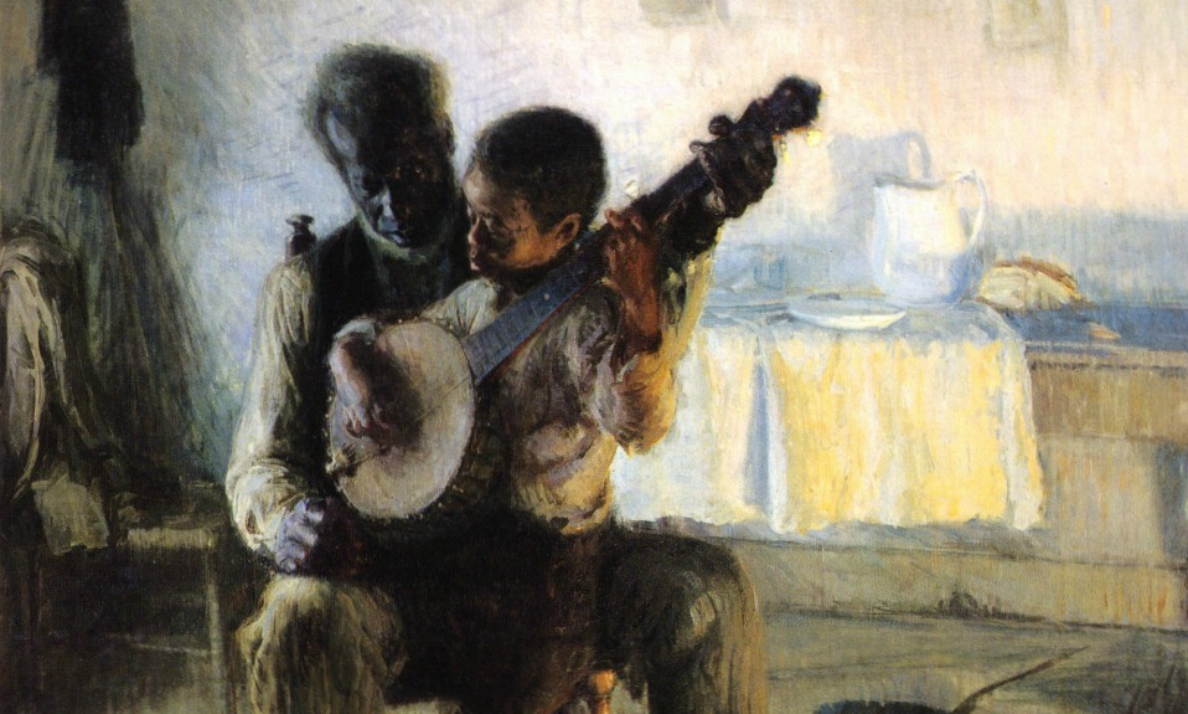
    Henry Ossawa Tanner, The Banjo Lesson, 1893, oil on canvas

    By Christine Murrain

    I remember making music,

    Back when life made sense:

    Like finding shade on a warm sunny day

    And connecting with someone who “gets you”

    Like…

    A village raises a child,

    And paints a portrait of warm,

    Supportive tones.

    They induce the feeling of nurture and inclusiveness. 

    I’d sing and dance, 

    And dance while singing,

    Respectfully disregarding any audience,

    To become one with our creator,

    Twirling 

    And leaping about as if heaven should ascend me.

    Remember?

    When I used to smile a smile of sunlit purity,

    So wide

    As if mouths could hug,

    Broad and welcoming.

    “Singing made me happy,”

    Is what I thought before realizing that 

    Happiness compelled my lips to utter tunes:

    “Happiness made me sing.”

    And if happiness should swell up inside of me once more,

    Upon capacity,

    I’d sing again

    With no greater option, than to release joyous cries,

    As morning doves do,

    Gleefully resounding, throughout world,

    Throughout life.

    Sing with me.

    • Click to share on Facebook (Opens in new window)Facebook
    • Click to share on Pinterest (Opens in new window)Pinterest
  • Beating Hearts

    October 12th, 2023

    It’s said that those who don’t know their history are doomed to repeat it. I always like to remind people that this includes looking at your own bloodline. Lately, examining my family history feels exactly like gazing into the future.

    “Are you still awake?” asked my husband. I often wonder if he can hear my thoughts. “Yes,” I whispered quietly. “I haven’t slept well lately.” “I’ve noticed,” he said while gently pulling me close to his body. I began to feel the frigid bitterness of my anxiety receding, retreating to the distance enough to be considered past tense. I lay here, now, in the present, and embrace the love set before me, served like a warm cup of coffee on a gloomy morning. “I love you,” I whispered. “I love you too,” he replied.

    “Will you fall asleep now?” he asked, and I could feel the concern in his voice. In the dim room, I could still see his face in my mind’s eye—his eyes slightly squinted, head tilted ever so slightly. Though a simple question is asked, I can’t dare provide a simple answer.

    Answering ‘yes’ would allow my dearest love to nod into dreamland. ‘Yes’ becomes a promise of solace, but it would be dishonest. Dishonesty provides comfort, but the truth strengthens the bonds of our connection and the foundation upon which we’ve built this family and this home.

    I sigh deeply and say, “I could sleep, but…” “But?” he replies. “You won’t? Why not?” Is he truly intrigued, or judging me, I wonder. With an even deeper breath, I try again. This time he pulls me in even closer, which I wouldn’t have thought possible. I lay my head on his warm chest as it rises and falls. The rhythm brings calmness to my body and coincidentally, my mind.

    “Are you worried about your sister?” he asked. “Of course, I’m actually worried about all of us. You know,” I proceed, “my grandmother Lillian had similar problems, and so did Linda.” Then I begin to discuss my maternal family’s history, naming all those bested by heart failure. “And this is why you can’t sleep?” he asked. “Exactly,” I responded as if a bashful child being called upon in class to discuss a topic with which I had very little familiarity. Although I have no such diagnosis, I’m deeply concerned. Ailments seem bestowed upon those with the Lewis blood running through their veins. With a prevalence of beauty, creativity, intelligence, and a rebellious nature, disease is also a birthright.

    Why is he so calm? He’s the one in the medical field, and surely he must know something that I don’t. I sense an imminent doom lingering. He’d better not blame this on my anxiety. There’s clearly a pattern here, and who am I to break the curse bestowed upon me via genetics? I don’t know much about these things, and I can tell he isn’t worried, but I don’t know why. Doesn’t he get it? This is how I’m destined to die, and I don’t want to die this way.

    “It seems we all die young,” I said. “My brother didn’t live to be 41 years of age, and there’s so much I want to do. What about our plans—the kids and their future?” He releases me as if physical acknowledgment that the effects of his grasp had worn off. He sits up slightly, turns to me, and says, “You’re worried about your heart, aren’t you?” “Well, yes!” I exclaimed. “Baby, your heart is fine.” I went silent. And so did everything else.

    “How do you know?” I whimpered, and as I began to cry, he caught my tears and kissed me on the cheek. The words to follow were more comforting than the initial embrace. Spoken words, like oil on canvas, were sure to linger with time and become an heirloom to replace any perceived genetic curse. He said, in the sweetest, kindest voice, “I know because I listen to your heart every night.”

    With those words, I fell into the most peaceful sleep, no longer pressed skin to skin. I was touched. I lay down and felt loved.

  • The Power of Words

    September 2nd, 2023
    Study of Clouds with a Sunset near Rome (1786-1801) painting in high resolution by Simon Alexandre Clément Denis. Original from Getty Museum. Digitally enhanced by rawpixel.

    “Your Words

    Assume residence

    Void of rent

    Depreciating 

    Our investments spent

    They’re squatting  

    And ever taxing to evict”

    -Christine Murrain

    Words possess the ability to inspire, uplift, motivate, and educate. They have the power to provoke deep emotions, spark revolutions, and transform lives. Whether spoken or written, words possess an extraordinary capacity to connect individuals, bridge cultures, and transmit knowledge across generations.

    Words have the power to ignite change. Through powerful speeches, leaders have moved masses and galvanized nations. Iconic speeches like Martin Luther King Jr.’s “I Have a Dream” or Winston Churchill’s “We Shall Fight on the Beaches” resonated with people, stirred their spirits, and brought about monumental shifts in society. The carefully chosen words of these influential figures conveyed messages of hope, resilience, and unity, instilling a sense of purpose and inspiring action.

    However, it is essential to recognize that with great power comes great responsibility. Words can also be used to deceive, manipulate, and incite hatred. The misuse of words can lead to misinformation, propaganda, and the perpetuation of harmful ideologies. It is crucial for individuals to exercise discernment when using words.

    Thank you for joining me on this journey, where we explore the depths of emotion and imagination. Together, we weave words into tapestries of meaning, sharing our lives through ink and rhyme. Remember, your voice is a beacon in the world, and your words have the power to touch hearts and souls. So, keep your pen poised, let your creativity flow, and never stop expressing the beauty within you.

    Write it. Release it.

    Christine Murrain

  • Navigating Grief

    August 5th, 2023

    A Journey Through Memories

    I write extensively about grief, yet when another loved one departs, words escape me. Memories become my companions, constantly replaying moments shared with that person in my mind, gradually fading like the end credits of a movie. It doesn’t mean I cease thinking of the one I loved (and still love); rather, I’ve halted the constant rumination, and with time, the pain associated with reminiscing subsides.

    Mourning woman, old tomb sculpture, Paris, France. Free public domain CC0 image. More: View public domain image source here

    The fragrance of their cologne or perfume may now evoke tears of joy. I’ll eventually arrive at a place where I can smile at the memory of them. Though not fully there yet with this loss, I know I’m on the path to healing.

    The following is one of my most recent poems addressing loss:

    Bad Place

    If you’re in a better place

    Then where am I?

    Void of gratitude for longevity

    Lest I lie

    Darkness falters my ability to make light

    And adheres to my core 

    Seemingly bonded

    Blinding me to future forecasts of hope- 

    No foresight

    It Mocks

    Whenever I anticipate abundance  

    Within this worldly tenure to pursue

    Therefore,

    Blanket me in dirt 

    And let me lie down next to you

    Maybe then I shall prevail

    The day you departed,

    I entered hell

    You’re in a better place

    Or so they insist

    And so I’d like to know

    What place is this?

    –Christine Murrain

  • Slowing Down:

    July 24th, 2023

    Mindful and Fulfilling Living

    Free park bench image, public domain outdoors CC0 photo. More: View public domain image source here

    Introduction

    In a world that often glorifies busyness and constant productivity, slow living serves as a gentle reminder to pause, reflect, and embrace the present moment. It is an invitation to prioritize self-care, mindfulness, and meaningful connections. By adopting the principles of slow living, we can create a more intentional and fulfilling life that resonates with our values and allows us to appreciate the simple joys that often go unnoticed in our fast-paced world.

    Bread

    When does one break bread

    When ALL hours are spent feasting on worries?

    In lieu of camaraderie,

    Scenic landscapes

    And cozy restpoints 

    Which inspire thoughtful cadence

    I’ve been coerced to hasten haphazard slums-

    Dim and narrow alleys

    With empty promises of sunshine,`

    (Given I complete the journey)

    And in my yearning for nourishment

    I’ve instead filled up on crumbs

    While foraging along a road paved by others

    A path surely not carved for me

    -Christine Murrain

    Why I Embrace Slow Living

    There was a time in my life when I believed that working non-stop was the best course of action for my family and myself. I mistakenly equated productivity with purpose. However, life taught me a valuable lesson, revealing that my true purpose is not to be a machine, tirelessly enriching someone else while sacrificing precious time with my loved ones. This may sound exaggerated, but many of us can relate to the long hours spent at work, the burden of bringing work home, and the toll it takes on our well-being, all in pursuit of a dream that was sold to us.

    One day, I took a moment to sit down and ask myself, “Christine, what do you truly want?” From that point forward, I began operating in alignment with the answer to that question. Sometimes, I find myself deviating from what I believe is my purpose and straying from the kind of human experience I desire. During those times, I notice a decline in my overall happiness, and other areas of my life start to crumble as my priorities become muddled.

    For example, I recognize that I should be devoting time to my children, yet I find myself caught up in activities that do not align with my lifestyle or goals. This disrupts my children’s routines and leads to behavioral issues. We eat fewer meals at home, derailing my health goals. The maintenance of our home suffers, leading to chaos and disarray.

    Over time, I have come to fully embrace the philosophy of slow living. This mindset encourages me to savor each moment, prioritize meaningful experiences, and cultivate a deeper connection with myself and those around me. Slow living has allowed me to break free from the relentless pursuit of productivity and busyness that once consumed my life. Instead, I now value simplicity, balance, and mindful living. By slowing down and being present, I have discovered a newfound sense of peace, joy, and fulfillment in the everyday moments that make up my life. It has been a transformative journey that continues to shape my perspective and choices, reminding me to focus on what truly matters and to appreciate the beauty of a slower, more intentional way of living.

    Why Slow Living is Becoming More Prevalent

    The following is a list of reasons why others are choosing to embrace this concept in hopes of achieving a more fulfilling life:

    Free vacation at beach image, public domain summer CC0 photo. More: View public domain image source here
    1. Escaping the Culture of Busyness: Slow living is gaining popularity as a response to the fast-paced, constantly connected lifestyle that has become the norm in modern society. Many individuals are realizing the negative impact of a hectic lifestyle on their well-being and are seeking a slower, more balanced approach.
    2. Prioritizing Well-being: Slow living emphasizes self-care, mindfulness, and mental well-being. It encourages individuals to prioritize rest, relaxation, and activities that promote physical and emotional health. People are recognizing the importance of taking time for themselves to recharge and nurture their overall well-being.
    3. Seeking Authenticity and Meaning: Slow living advocates for a more intentional and purpose-driven life. Many individuals are yearning for deeper connections, meaningful experiences, and a sense of authenticity in their daily lives. Slow living allows them to align their actions with their values, cultivating a greater sense of fulfillment and contentment.
    4. Embracing Mindfulness and Presence: Slow living promotes mindfulness, which involves being fully present and engaged in the present moment. In a world filled with distractions, people are realizing the value of slowing down, paying attention to the details, and fully experiencing each moment.
    5. Sustainable and Ethical Living: Slow living encourages a more sustainable and conscious approach to consumption. It emphasizes quality over quantity, supporting local businesses, reducing waste, and making mindful choices that have a positive impact on the environment. More people are embracing slow living as a way to live in harmony with the planet and promote ethical practices.
    6. Cultivating Stronger Relationships: Slow living emphasizes the importance of nurturing relationships and fostering meaningful connections with others. By slowing down, individuals have more time and energy to invest in building and maintaining strong, authentic relationships with family, friends, and community members.
    7. Appreciating the Simple Pleasures: Slow living encourages individuals to appreciate and savor the simple joys of life. It is about finding beauty and fulfillment in everyday experiences, such as spending time in nature, enjoying a home-cooked meal, or engaging in creative pursuits. Slow living reminds us to slow down, be present, and find happiness in the small moments.
    8. Reducing Stress and Overwhelm: The fast-paced nature of modern life often leads to stress, burnout, and overwhelm. Slow living offers a counterbalance by advocating for a more relaxed, unhurried pace. By simplifying and streamlining their lives, individuals can reduce stress levels, improve overall well-being, and find greater peace of mind.
    9. Valuing Work-Life Balance: Slow living challenges the notion that success is solely defined by professional achievements. It promotes work-life balance, encouraging individuals to prioritize their personal lives, hobbies, and leisure activities alongside their work commitments. This shift in mindset allows for a healthier and more fulfilling lifestyle.
    10. Embracing a Minimalist Approach: Slow living often goes hand in hand with minimalist principles, focusing on decluttering, simplifying possessions, and reducing excess. Many people are adopting a minimalist mindset to free themselves from the burden of materialism and create space for what truly matters in their lives.

    Conclusion

    Overall, slow living is becoming more prevalent as individuals recognize the need to step back, reassess their priorities, and embrace a more intentional, meaningful, and balanced way of living.

  • Goodbye Detroit

    July 8th, 2023

    Why it May be Time for Our Family to Move on

    Living in the vibrant city of Detroit has been a dream come true for us. The rich history, beautiful architecture, and the warmth of the people have always held a special place in our hearts. We love spending our days at the Eastern Market, Belle Isle, and River Walk. We especially enjoy the museums, festivals and many venues. However, our journey hasn’t been without its share of disappointments and now we are considering leaving the city in which we once hoped to raise our family. 

    Detroit skyline, as viewed from Windsor, Canada Original public domain image from Wikimedia Commons

    Divided Parcels and Confusing Tax Payments

    One of our biggest concerns is the division of our property into separate parcels, resulting in the necessity to pay taxes separately for our own backyard. This practice seems illogical and has put an undue burden on us.

    Inconsistent Trash Pickup Services

    The inconsistency and unreliability of trash pickup services have been a constant source of frustration. Missed pickups and the subsequent additional fees have left us questioning the efficiency of the system and the quality of service we receive.

    General Motors Building, Detroit, Michigan (2006) by Carol M. Highsmith. Original image from Library of Congress. Digitally enhanced by rawpixel.

    Denied Requests and Lack of Flexibility

    Despite being a household of 7 and caring for an elderly family member and an infant, our request for an additional trash can was denied.

    This lack of flexibility and consideration for residents’ unique circumstances is disheartening and highlights the need for a more compassionate approach.

    Unclear Property Tax Payments

    The estimation of property taxes and the lack of clarity in the payment process have left us bewildered. Paying estimated taxes early, only to receive bills charging for both parcels all over again, has caused unnecessary stress.

    Disruption and Neglect

    The frequent disruption of our front yard due to ongoing pipe work has posed serious safety risks to our children. Additionally, neglected empty lots and overgrown areas in our neighborhood contribute to blight and create potential hazards.

    Artistic Decorations: A Band-Aid Solution

    While we appreciate efforts to address blight, the practice of allowing artists to decorate blighted areas often draws more attention to the problem rather than resolving it. We believe a more comprehensive approach is necessary, treating all neighborhoods equally and effectively combating blight.

    Corner shot of detroit tigers Comerica Park baseball ballpark stadium with crowd and blue sky. Original public domain image from Wikimedia Commons

    Individual Tax Charges and Debt Accumulation

    The city’s inconsistent handling of individual tax charges for outdated tax years has been frustrating. Despite being assured that the charges were resolved, we faced a levy and garnishment due to unclear payment allocation, resulting in continued debt accumulation.

    Difficulty in Resolving Disputes and Receiving Services

    Settling disputes and obtaining the services we pay taxes for has been an arduous process. Long delays in implementing requested measures, unresponsive phone calls for simple requests like dead animal removal, and unfounded accusations from the Humane Society regarding our nonexistent dog have left us feeling unheard and unsupported.

    Exorbitant Car Insurance Rates

    One additional frustration we must highlight is the disproportionately expensive car insurance rates. This financial burden further strains our ability to thrive and enjoy the benefits of living in this great city.

    Conclusion

    Our love for Detroit remains, but it is overshadowed by the numerous disappointments we have faced with city services. We believe that by openly discussing these issues, we can work towards a brighter future for our beloved city. We hope that city officials, community organizations, and fellow residents join us in seeking positive change, improved services, and a more supportive environment for all Detroit residents.

  • Seize the Moment

    June 21st, 2023

    Embracing Opportunities to Connect With Others

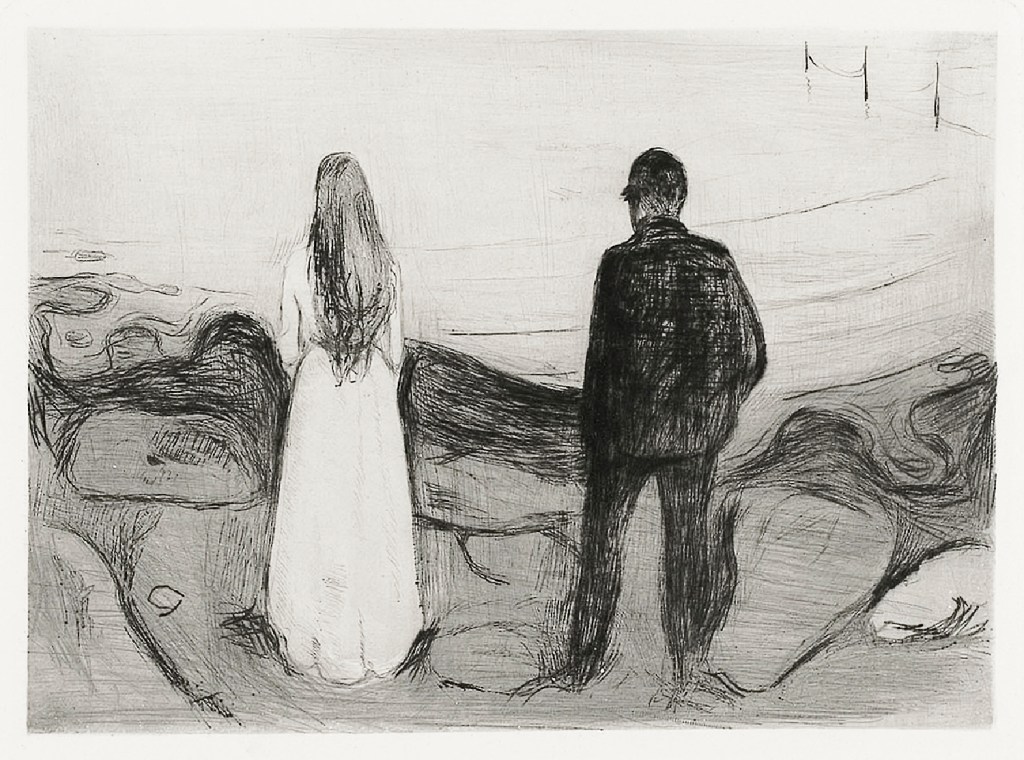
    Two Human Beings. The Lonely Ones (1894) by Edvard Munch. Original from The Art Institute of Chicago. Digitally enhanced by rawpixel.

    A Rare Encounter

    Have you ever experienced a wonderful conversation with a complete stranger? I certainly have. One day, while my husband and I were loading our children and groceries into our car in a grocery store parking lot, a woman approached. Her car was parked next ours and she had a child of the same age as my twins, which sparked a conversation between us. As we spoke, we discovered numerous shared interests and experiences. It turned out that she, like me, was a former educator who had chosen to homeschool her children. We delved into discussions about the rewards and challenges of our past careers, the joys of motherhood, and found ourselves laughing together.

    A Missed Opportunity

    Once our groceries were safely stowed away, there was a fleeting moment when it seemed that one of us might exchange contact information, but neither of us made the move. I bid her farewell, expressing my pleasure in our conversation, and she reciprocated the sentiment. We both expressed a hope to encounter each other again, though we both understood the unlikelihood of it.

    Later, as we sat in the car, my husband inquired if we had exchanged numbers. Regrettably, I replied with a negative. When he asked why, I found myself unable to provide a valid reason. We had acknowledged the challenges of connecting with other moms, and yet we had missed an opportunity to stay in touch. She even mentioned that she had recently moved to the United States from Canada and was still building her social circle. I confessed to my husband that I had hesitated, fearing that it might seem peculiar. We shared a laugh, and I vowed not to let such an opportunity slip by again. However, despite my genuine efforts to seek out friendships with other moms, I have yet to encounter a connection quite like the one I had with her.

    Regretful Feelings

    While I cherish my family dearly, there are still moments of loneliness that arise. Spending the entire day with children can be challenging, and at times, I find myself devoid of adult interaction. If you are reading this and can relate to the loneliness I sometimes feel, perhaps we can be friends. Also, if you ever find yourself in this situation I hope my story inspires you to be courageous.

    Reflection in Verse

    I’ve included a poem below. Although not directly inspired by this specific encounter, I find it to be a poignant reflection. Entitled “Farewell,” my poem explores the emotions that arise when two individuals choose to part ways despite apparent chemistry. Both individuals grapple with a sense of loneliness, yet hesitate to extend their bond. The complex nature of human emotions sometimes lead us to act in opposition to our true desires. Fear of vulnerability potentially creates hurdles in circumstances akin to the one described. The Poem reads as follows:

    Farewell

    The Perceptible chemistry lingers

    Although we’ve chosen to depart

    Attempt to extend connection

    Intercepted by bashful hearts

    Denying ourselves friendship

    And who may fathom why

    When quite likely, you proceed

    As silently lonely as I

    -Christine Murrain

  • Analyzing Frost

    June 10th, 2023

    A breakdown of “Lodged” by Robert Frost

    I’d like to discuss the following poem, written by Robert Frost:

    ” The rain to the wind said,

    ‘You push and I’ll pelt.’

    They so smote the garden bed

    That the flowers actually knelt,

    And lay lodged–though not dead.

    I know how the flowers felt.”

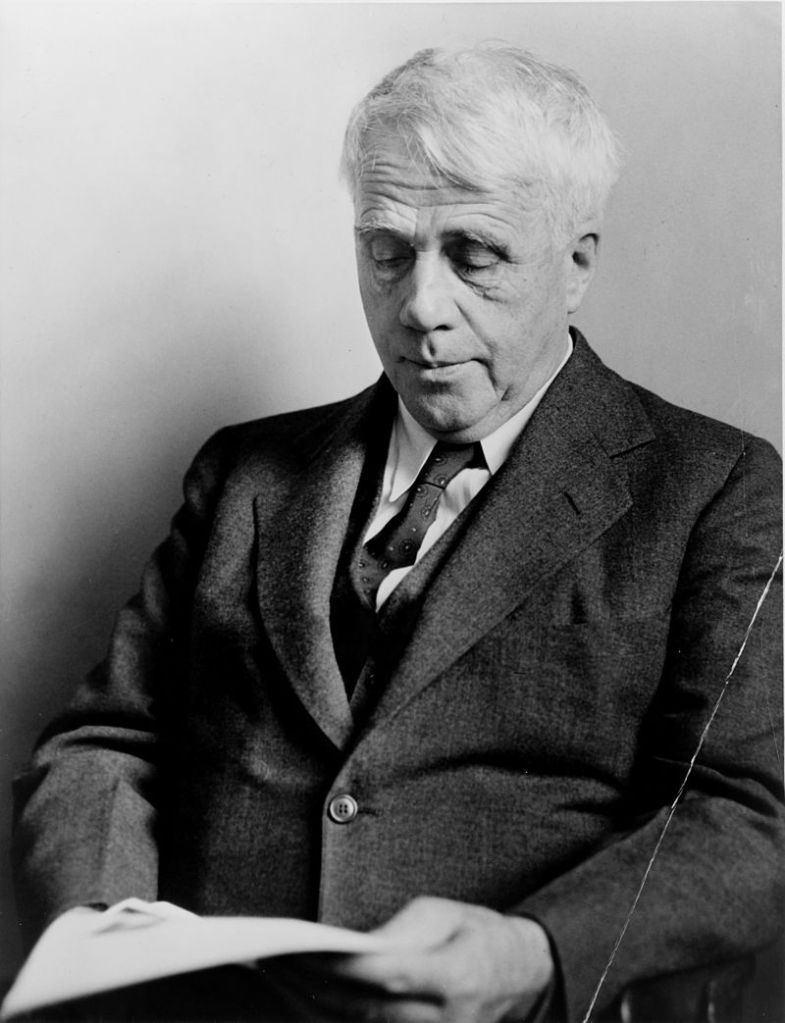
    Robert Frost 1941- Library of Congress. New York World-Telegram & Sun Collection.

    Introduction

    “Lodged” by Robert Frost holds a special place in my heart as one of my favorite poems. It resonated with me deeply during the pandemic, a period marked by immense hardship, stress, and trauma revolving around my mother’s health condition. In the midst of personal sacrifices and ceaseless efforts to improve my mother’s living conditions, I faced relentless challenges while grappling with the isolation imposed by the pandemic. These experiences gradually wore me down from within. I worried that my well-intentioned actions alone might not suffice to alleviate the suffering of my beloved mother. She depended on me to be her advocate within a flawed and corrupt system.

    Poetry has often served as my solace, a means of coping with life’s trials. It was during this time that I stumbled upon Frost’s “Lodged,” and I found solace in the way the poem captured my own experiences in words. Reading it, I no longer felt alone. I realized that there were others who could truly understand and empathize with my struggles. I, too, knew how the flowers felt, oppressed and weighed down. As the rain of hardships continued to pour in my life, I felt utterly defeated, as if I couldn’t summon the strength to move forward. However, this poem became a source of encouragement, a guiding light that urged me to persist.

    It is in moments like these that the power of poetry shines through. Well-crafted words possess the ability to inspire and provide a necessary refuge. “Lodged” encapsulated my emotions and provided the encouragement I needed to carry on, reminding me that even in the face of overwhelming challenges, resilience is possible.

    Analysis

    In this short and concise poem, Robert Frost explores the interaction between rain and wind and the impact they have on a garden. The poem opens with a personification, as the rain and wind engage in dialogue, creating a vivid image of their dynamic relationship. The rain challenges the wind, suggesting that it should push while it, the rain, pelts down.

    As the rain and wind intensify their assault, they “smote” or struck the garden bed with force. The word choice here conveys a sense of aggression and violence. The garden bed represents the delicate and vulnerable nature of the flowers that grow within it.

    The result of this fierce weather is that the flowers in the garden are not completely destroyed, but rather “lodged.” The term “lodged” means that they are bent or flattened, unable to stand upright. Despite this, the poem clarifies that the flowers are not dead. They have endured the onslaught and are still alive, although diminished in their appearance and weakened by the force of the rain and wind.

    The closing lines of the poem reveal a deeper meaning. The speaker states, “I know how the flowers felt.” Here, Frost suggests a parallel between the experience of the flowers and that of human beings. The physical representation of the flowers being lodged is symbolic of the emotional or metaphorical bending and weakening that individuals can experience when faced with challenging circumstances or external forces.

    By relating to the flowers’ experience, the speaker implies empathy and understanding of the human condition. It suggests that the speaker has also experienced trials and challenges, and can thus relate to the flowers’ resilience and ability to persevere despite adversity.

    Conclusion

    Overall, Frost’s “The rain to the wind said” presents a concise yet evocative exploration of the relationship between natural forces and the resilience of living beings. Through the imagery of the battered flowers, the poem encourages readers to find strength and endurance even in the face of difficult circumstances.

  • Analyzing Angelou:

    June 10th, 2023

    A breakdown of Phenomenal Woman by Maya Angelou

    “I’ve learned that people will forget what you said, people will forget what you did, but people will never forget how you made them feel.”

    -Maya Angelou

    Introduction

    As a young girl, I had the privilege of being introduced to the poetry of Maya Angelou and later had the honor of performing her renowned poem “Phenomenal Woman.” During the month of February, I performed the piece from memory at both church and school in celebration of Black History Month.

    Angelou at Clinton inauguration (cropped 2)

    Even at a tender age, I was deeply inspired by her writing, and “Phenomenal Woman” instilled in me a sense of power and confidence. The poem’s rhythmic flow and vibrant energy make it a captivating piece for performance. Today, I would like to take a closer look at this exceptional work of art and delve into its meaning, with the hope that it will further inspire us to create similar masterpieces.

    Analysis

    “Phenomenal Woman” is a celebrated poem written by Maya Angelou, an influential African-American poet and civil rights activist. First published in her 1978 collection of poems titled “And Still I Rise,” this empowering piece has become one of Angelou’s most renowned works. Through its confident tone, rhythmic structure, and lyrical language, the poem explores themes of self-acceptance, inner strength, and the beauty found in embracing one’s unique identity as a woman.

    The poem begins with the speaker declaring her self-assuredness, emphasizing her exceptional qualities by repeating the phrase “I’m a woman” throughout the piece. This repetition acts as a powerful affirmation, reinforcing the speaker’s unwavering confidence and pride in her femininity. By doing so, Angelou invites readers to join her in celebrating the strength and resilience of women as a whole.

    Angelou also employs various poetic devices, such as internal rhyme, rhythm, and alliteration, to enhance the musicality of the poem. The consistent meter and rhyme scheme contribute to the poem’s upbeat and lively flow. This musical quality reflects the joy and exuberance the speaker feels in embracing her own beauty and individuality.

    Furthermore, the poem challenges conventional beauty standards by presenting a different definition of beauty—one that lies in the speaker’s self-assurance, charisma, and inner grace. Angelou celebrates the unique qualities that make women exceptional, regardless of society’s narrow definitions of attractiveness. Through her vivid imagery and metaphors, she highlights the speaker’s captivating presence and the impact it has on those around her.

    The poem also suggests that the speaker’s confidence arises from her acceptance and celebration of her physical attributes, despite not conforming to societal ideals. By emphasizing her personal style and distinct features, such as her smile, hips, and stride, the speaker showcases her individuality and authenticity. Angelou encourages women to embrace their bodies, irrespective of societal expectations, and find beauty in their own unique forms.

    Moreover, “Phenomenal Woman” serves as a powerful call to action for all women to recognize their inherent worth and to stand tall in the face of adversity. Angelou’s use of the word “phenomenal” conveys a sense of awe-inspiring strength and resilience. Through her confident portrayal of the speaker, she inspires women to reclaim their power and embrace their true selves, encouraging them to celebrate their voices and contributions.

    Conclusion

    In conclusion, “Phenomenal Woman” by Maya Angelou is a powerful and uplifting poem that celebrates the strength, beauty, and uniqueness of women. Through its empowering language, rhythmic structure, and confident tone, the poem encourages women to embrace their individuality, challenge societal beauty standards, and recognize their own worth. Maya Angelou’s poem continues to resonate with readers, inspiring them to celebrate their own phenomenal qualities and affirming the importance of self-acceptance and self-love.

  • Allowing Ourselves to Grieve: The Importance of Feeling our Emotions

    May 13th, 2023

    Why is there a push to get back to ‘normal’ as if normal is always being jolly? What’s wrong with sitting with our feelings for a while? Should we aspire to be fictional characters who never experience sadness?

    No one can exist without feeling sadness sometimes, and if such a person exists, I feel even more sadness for them. It’s essential to allow ourselves to feel the unavoidable stages of grief when we experience the loss of a loved one. This is the balance due.

    When we share our life with someone and lose them, part of our life also diminishes. We’ve given pieces of ourselves, and now we no longer feel whole because the person carrying those pieces is no longer with us. It’s terrible, but this is how we know we’ve loved someone completely.

    Perhaps in our sadness, there is a sentiment that can bring us comfort – the knowledge that we had the opportunity to love someone so deeply, and even when they pass away, they remain on earth because we carry them with us in some form or another. They’ve imprinted on our hearts, and we are forever changed by both having them with us and by being apart from them.

    We must feel, whatever it is that we feel, whether it’s joy, sadness, anger or any emotion that makes us human. We should all find others who give us grace during this process and allow us to grieve at our own pace. Nobody should rush us out of the process or expect us to hide our pain for their convenience or comfort.

    Mask

    – By Christine Murrain

    I wear a mask 

    And many condone

    Because It hides the frown 

    I secretly own

    There’s pleasant commentary 

    I’m forced to accept

    And sadness 

    I’m encouraged to reject

    I’m told “You’re so strong”

    While they all move on

    And indifferently return

    To their own

    happy homes

1 2
Next Page→

Blog at WordPress.com.

Privacy & Cookies: This site uses cookies. By continuing to use this website, you agree to their use.
To find out more, including how to control cookies, see here: Cookie Policy
 

Loading Comments...
 

    • Subscribe Subscribed
      • Song + Prose
      • Already have a WordPress.com account? Log in now.
      • Song + Prose
      • Subscribe Subscribed
      • Sign up
      • Log in
      • Report this content
      • View site in Reader
      • Manage subscriptions
      • Collapse this bar