
A breakdown of “Lodged” by Robert Frost
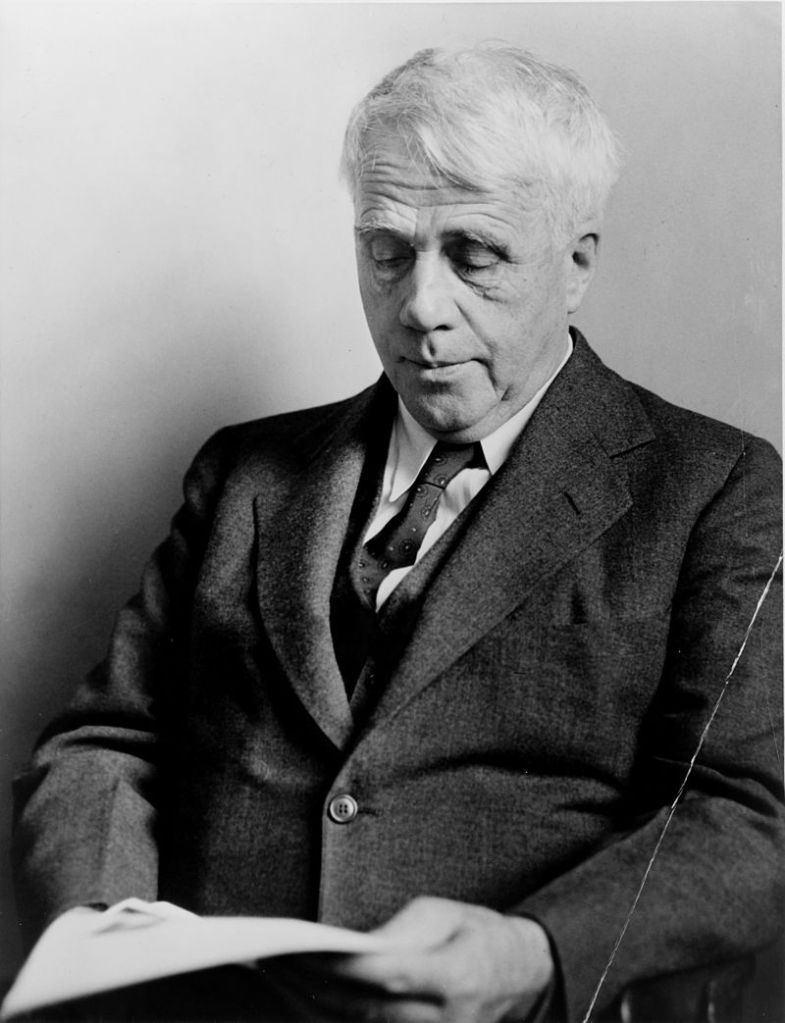
I’d like to discuss the following poem, written by Robert Frost:
” The rain to the wind said,
‘You push and I’ll pelt.’
They so smote the garden bed
That the flowers actually knelt,
And lay lodged–though not dead.
I know how the flowers felt.”
Introduction
“Lodged” by Robert Frost holds a special place in my heart as one of my favorite poems. It resonated with me deeply during the pandemic, a period marked by immense hardship, stress, and trauma revolving around my mother’s health condition. In the midst of personal sacrifices and ceaseless efforts to improve my mother’s living conditions, I faced relentless challenges while grappling with the isolation imposed by the pandemic. These experiences gradually wore me down from within. I worried that my well-intentioned actions alone might not suffice to alleviate the suffering of my beloved mother. She depended on me to be her advocate within a flawed and corrupt system.
Poetry has often served as my solace, a means of coping with life’s trials. It was during this time that I stumbled upon Frost’s “Lodged,” and I found solace in the way the poem captured my own experiences in words. Reading it, I no longer felt alone. I realized that there were others who could truly understand and empathize with my struggles. I, too, knew how the flowers felt, oppressed and weighed down. As the rain of hardships continued to pour in my life, I felt utterly defeated, as if I couldn’t summon the strength to move forward. However, this poem became a source of encouragement, a guiding light that urged me to persist.
It is in moments like these that the power of poetry shines through. Well-crafted words possess the ability to inspire and provide a necessary refuge. “Lodged” encapsulated my emotions and provided the encouragement I needed to carry on, reminding me that even in the face of overwhelming challenges, resilience is possible.
Analysis
In this short and concise poem, Robert Frost explores the interaction between rain and wind and the impact they have on a garden. The poem opens with a personification, as the rain and wind engage in dialogue, creating a vivid image of their dynamic relationship. The rain challenges the wind, suggesting that it should push while it, the rain, pelts down.
As the rain and wind intensify their assault, they “smote” or struck the garden bed with force. The word choice here conveys a sense of aggression and violence. The garden bed represents the delicate and vulnerable nature of the flowers that grow within it.
The result of this fierce weather is that the flowers in the garden are not completely destroyed, but rather “lodged.” The term “lodged” means that they are bent or flattened, unable to stand upright. Despite this, the poem clarifies that the flowers are not dead. They have endured the onslaught and are still alive, although diminished in their appearance and weakened by the force of the rain and wind.
The closing lines of the poem reveal a deeper meaning. The speaker states, “I know how the flowers felt.” Here, Frost suggests a parallel between the experience of the flowers and that of human beings. The physical representation of the flowers being lodged is symbolic of the emotional or metaphorical bending and weakening that individuals can experience when faced with challenging circumstances or external forces.
By relating to the flowers’ experience, the speaker implies empathy and understanding of the human condition. It suggests that the speaker has also experienced trials and challenges, and can thus relate to the flowers’ resilience and ability to persevere despite adversity.
Conclusion
Overall, Frost’s “The rain to the wind said” presents a concise yet evocative exploration of the relationship between natural forces and the resilience of living beings. Through the imagery of the battered flowers, the poem encourages readers to find strength and endurance even in the face of difficult circumstances.
.jpg)
 Song + Prose